Highlights of Recent Projects:
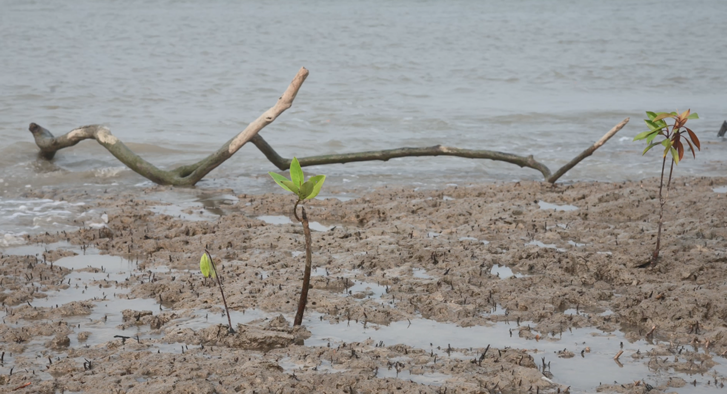
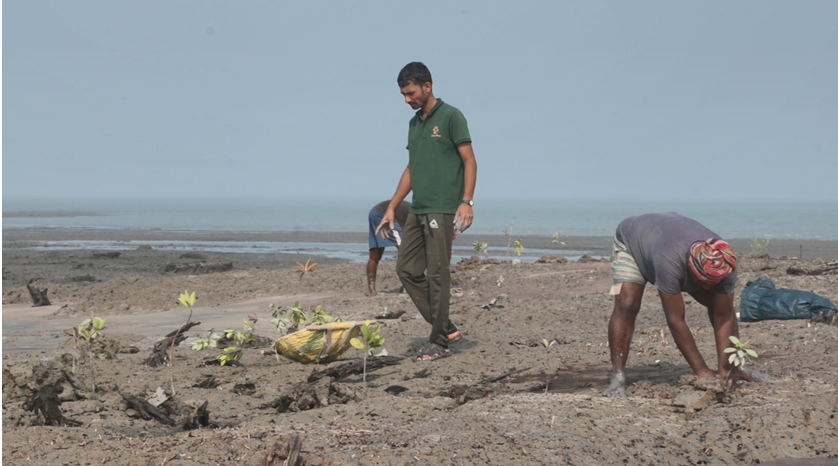
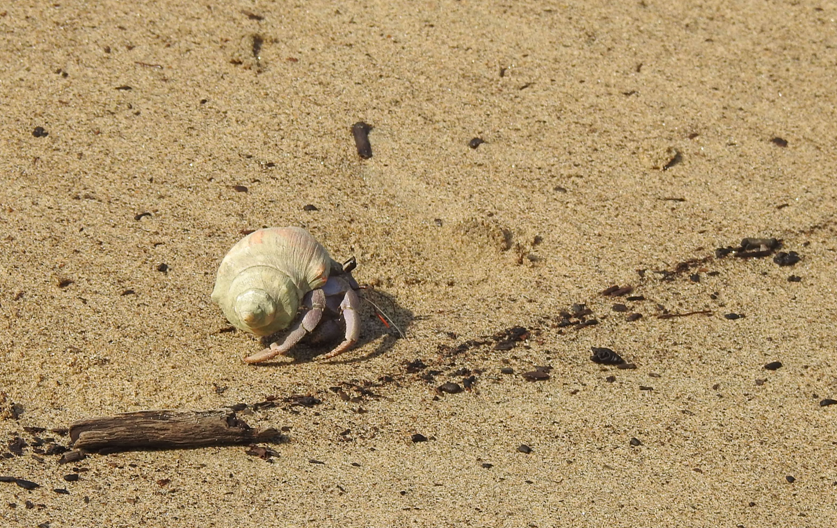
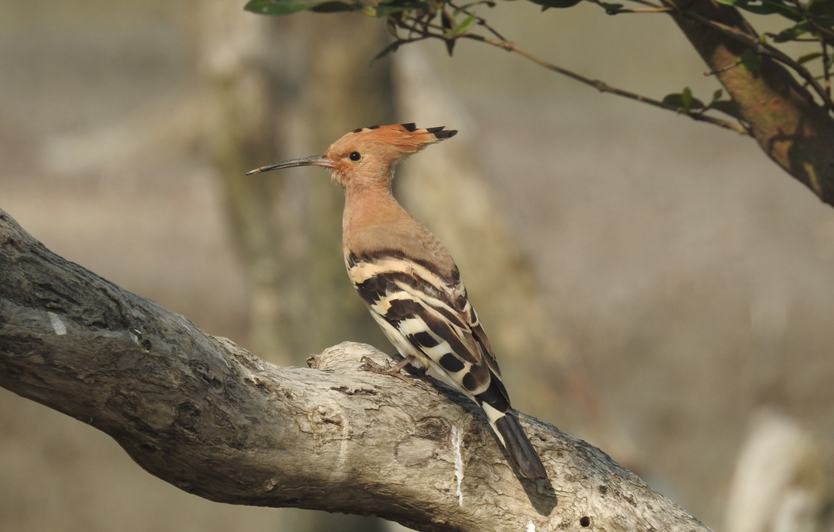
- Protection of a climate vulnerable Mangrove Sanctuary in Indian Sundarban (funded by Australian Alumni Grant Scheme)
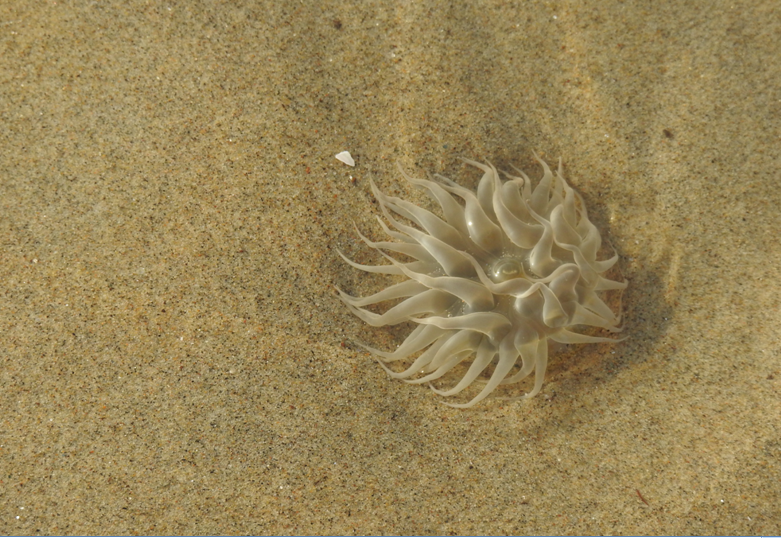
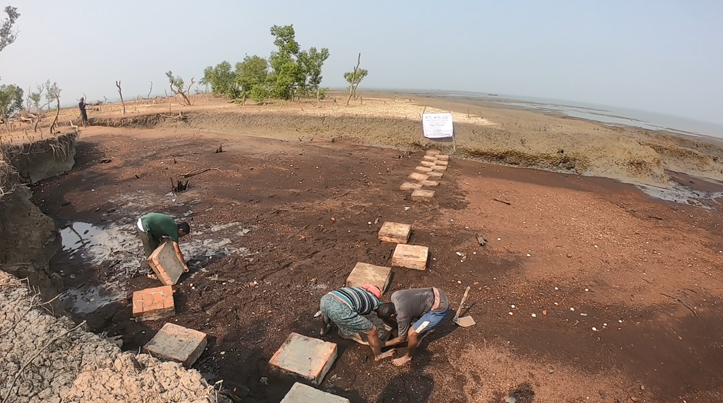
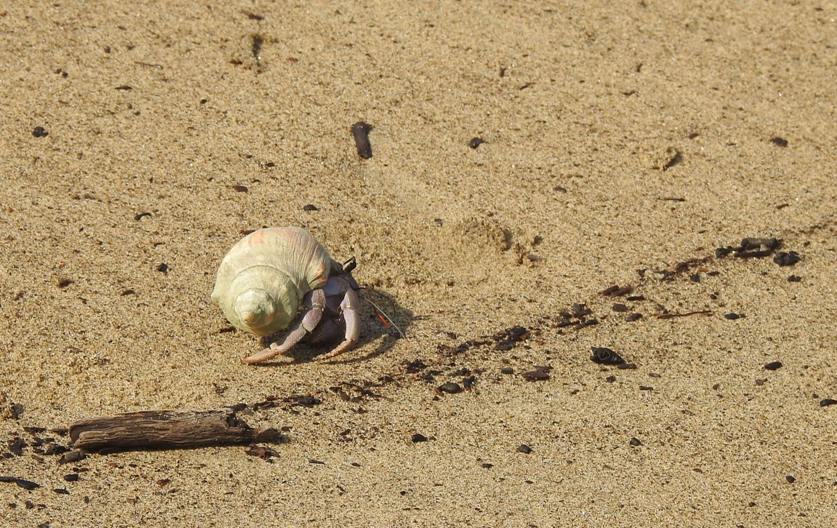
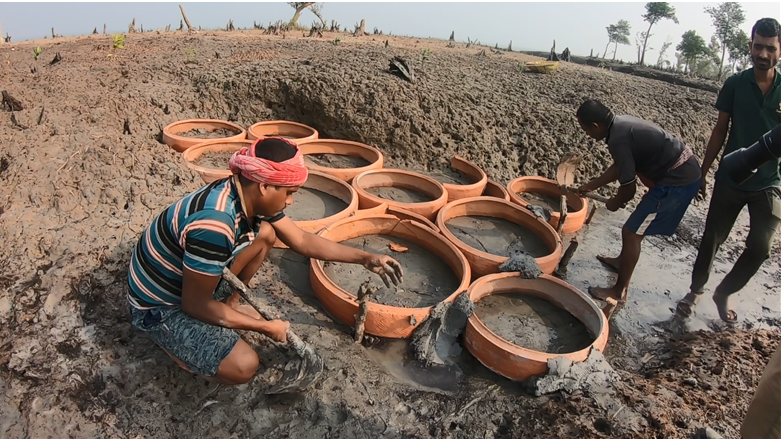
The Haliday Island Wildlife Sanctuary in the Indian Sundarbans has undergone a dramatic ecological transformation, with nearly 94.03% of its land lost between 1975 and 2022, reducing it to less than 0.19 sq km. Designated as a Marine Protected Area (MPA), the island’s shrinking size, driven by climate-induced factors like tidal surge, sea-level rise, and lack of sediment accretion, has led to not just biodiversity loss but also ecosystem collapse. This collaborative project with the West Bengal Forest Department and the Australian Alumni Grant Scheme aimed to document these changes and assess possibilities for conservation and restoration. Surveys across eight visits recorded a rich diversity of flora—including Excoecaria agallocha, Rhizophora apiculata, and Heritiera fomes—and fauna ranging from crabs and mollusks to birds like the Eurasian Curlew and mammals such as Rattus tanezumi.
Findings highlighted severe coastal erosion, acid sulphate soil formation, and declining water quality, with dissolved oxygen dropping to 4.22 mg/l and salinity rising to 32 PPT. The discovery of rhizoconcretion-like materials and ferruginous paleo-deposits hinted at ancient mangrove ecosystems, while extensive plastic pollution underscored rising anthropogenic pressure. This survey not only reflects the island’s fragile state but also calls for immediate intervention to preserve its rapidly vanishing biodiversity and stabilize the sinking ecosystem.
2. Creation of sustainable livelihoods and employment opportunities, improving income generating capacity of local SC communities of Kumirmari Island, Indian Sundarbans, to supplement their existing income generating livelihoods
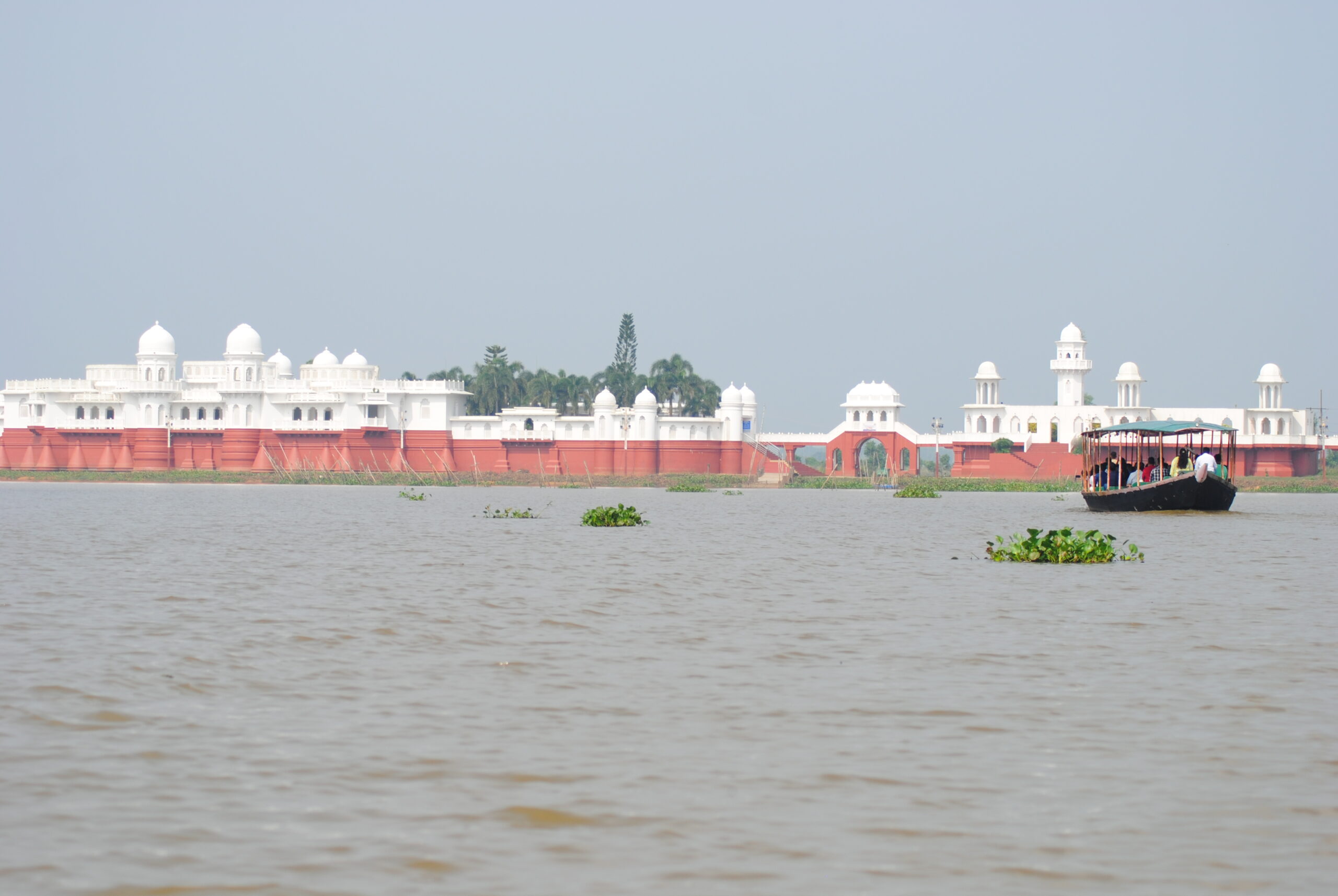
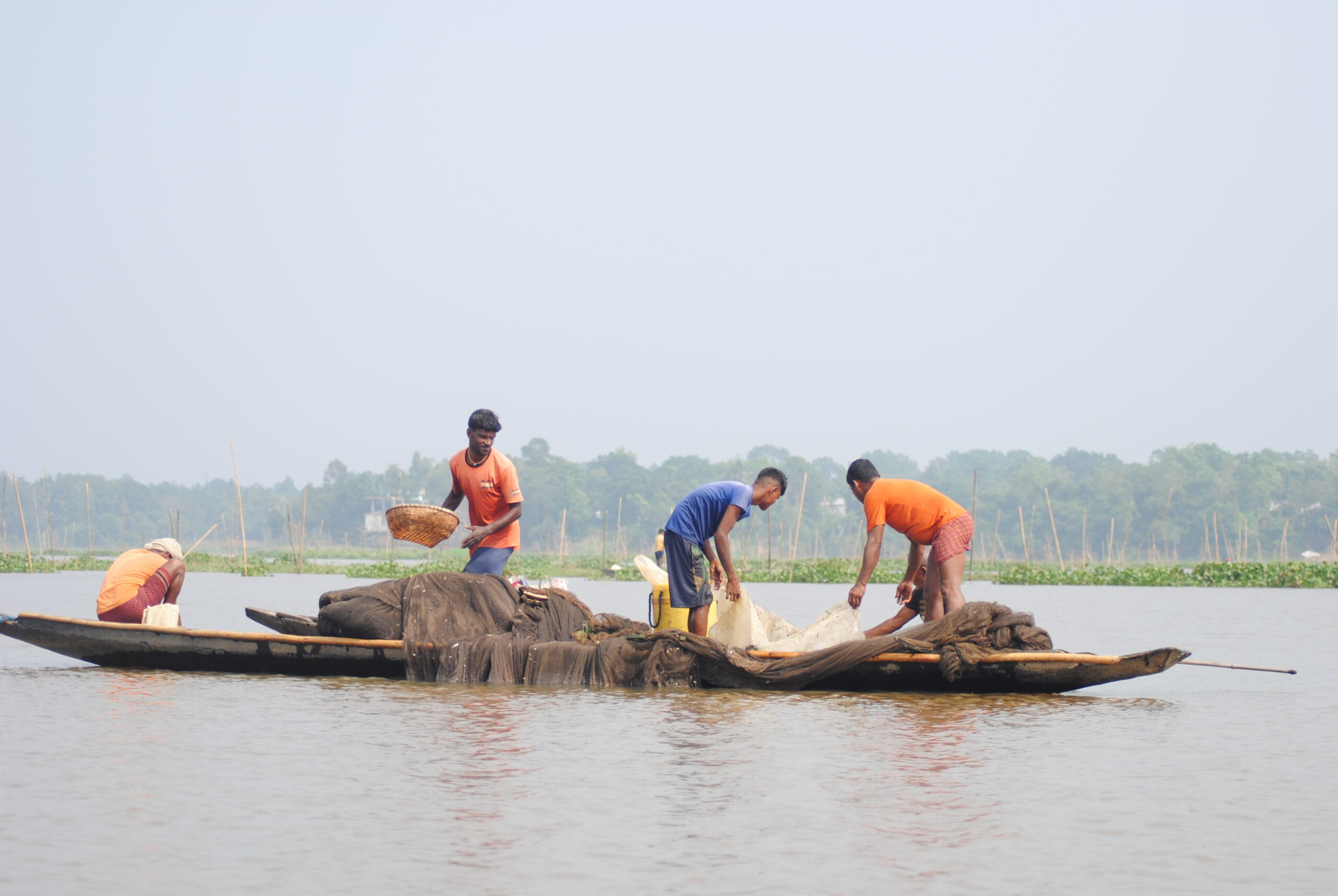
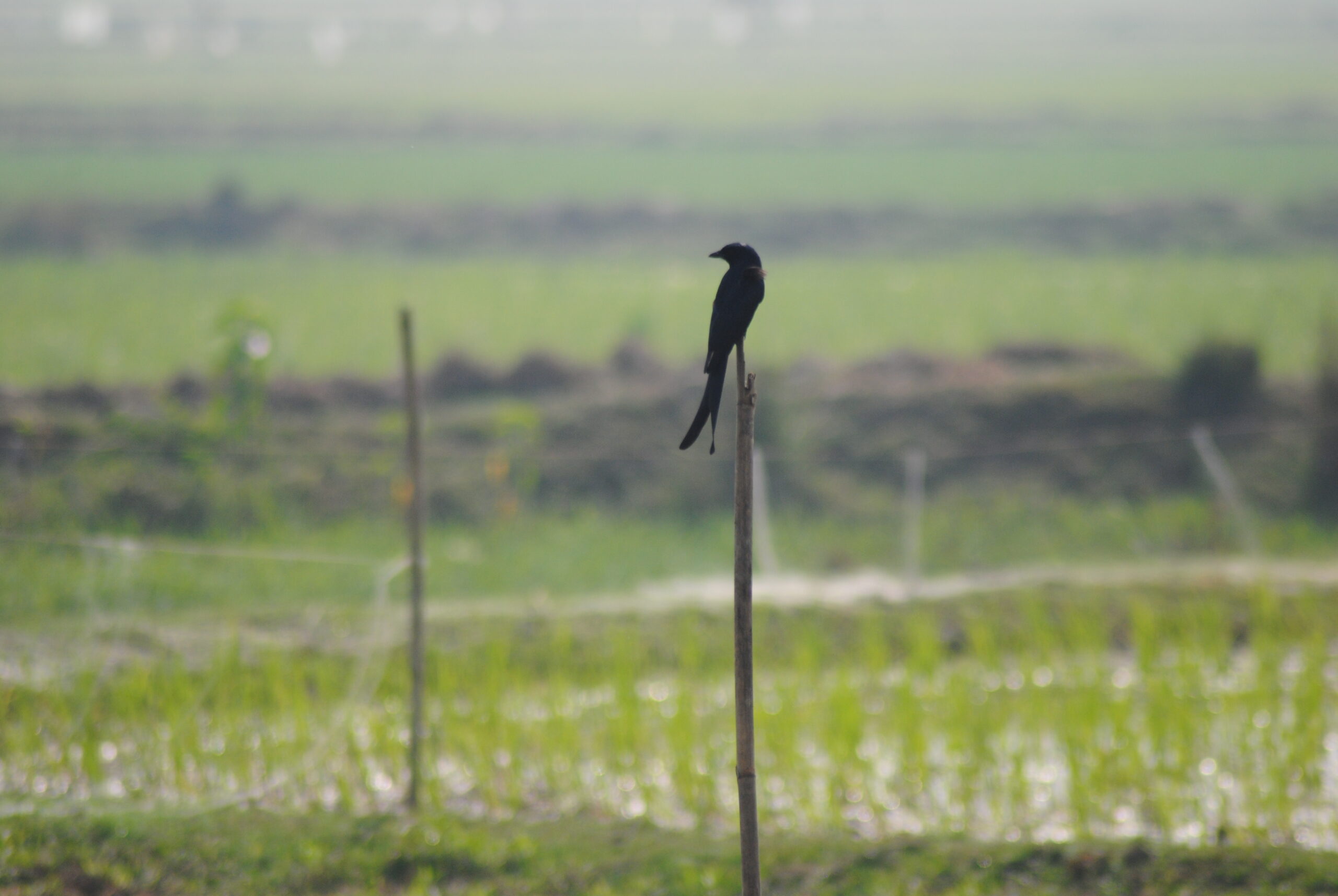
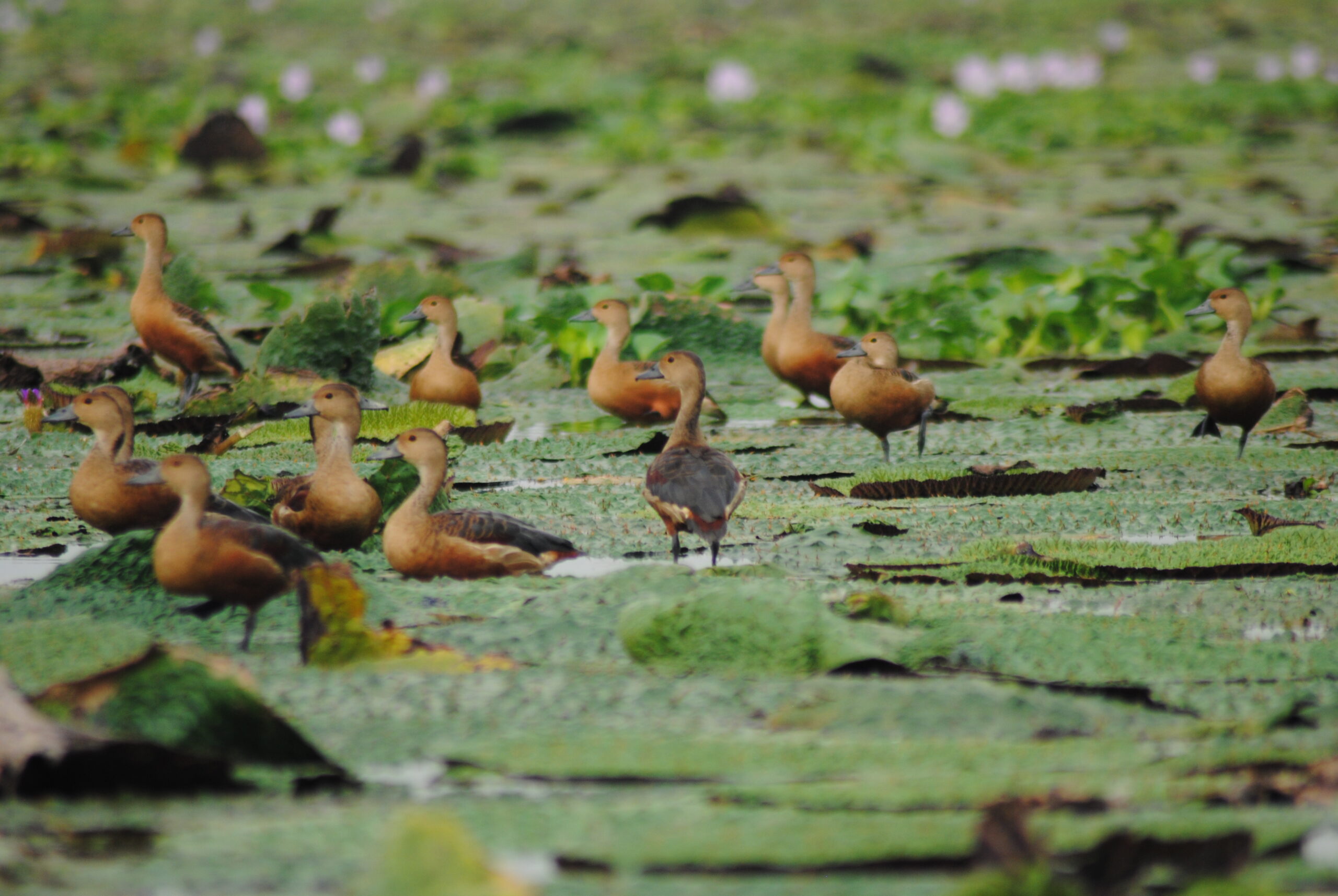
3. Environmental Impact of Anthropogenic Activities on Wetland Bio-Diversity of Rudrasagar lake, the Ramsar Site of Tripura (Funded by DBT (NER BPMC, GoI)
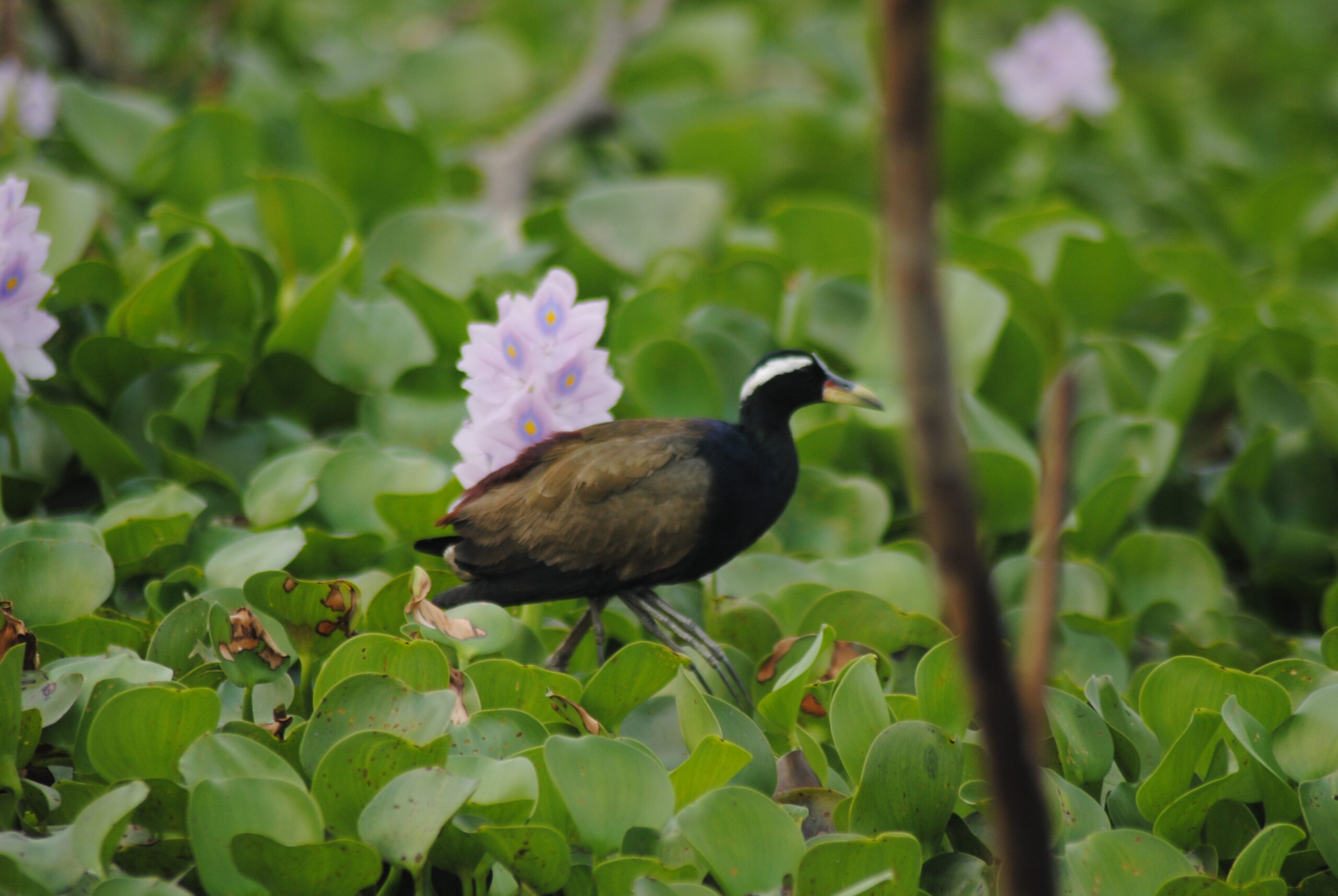
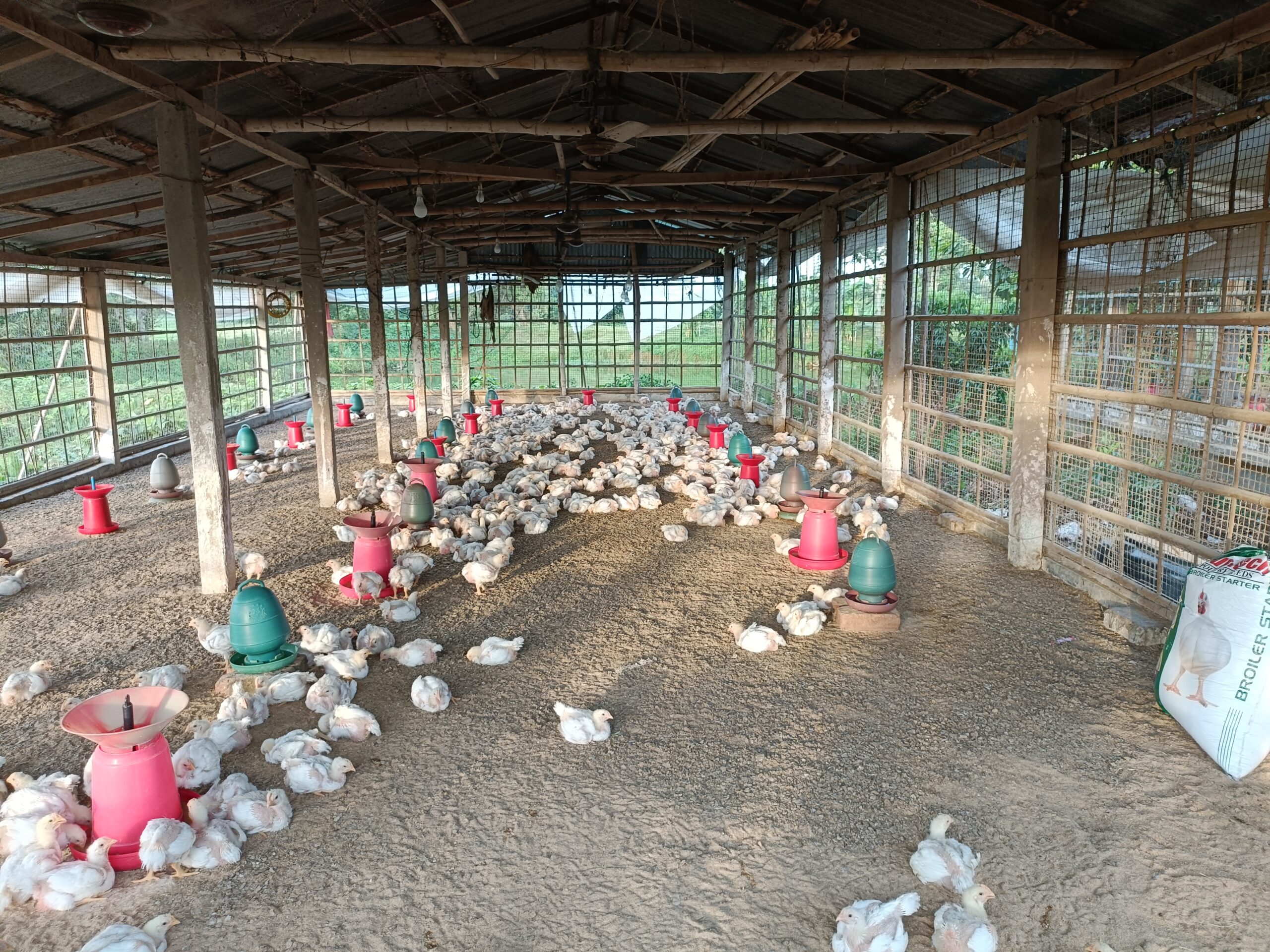
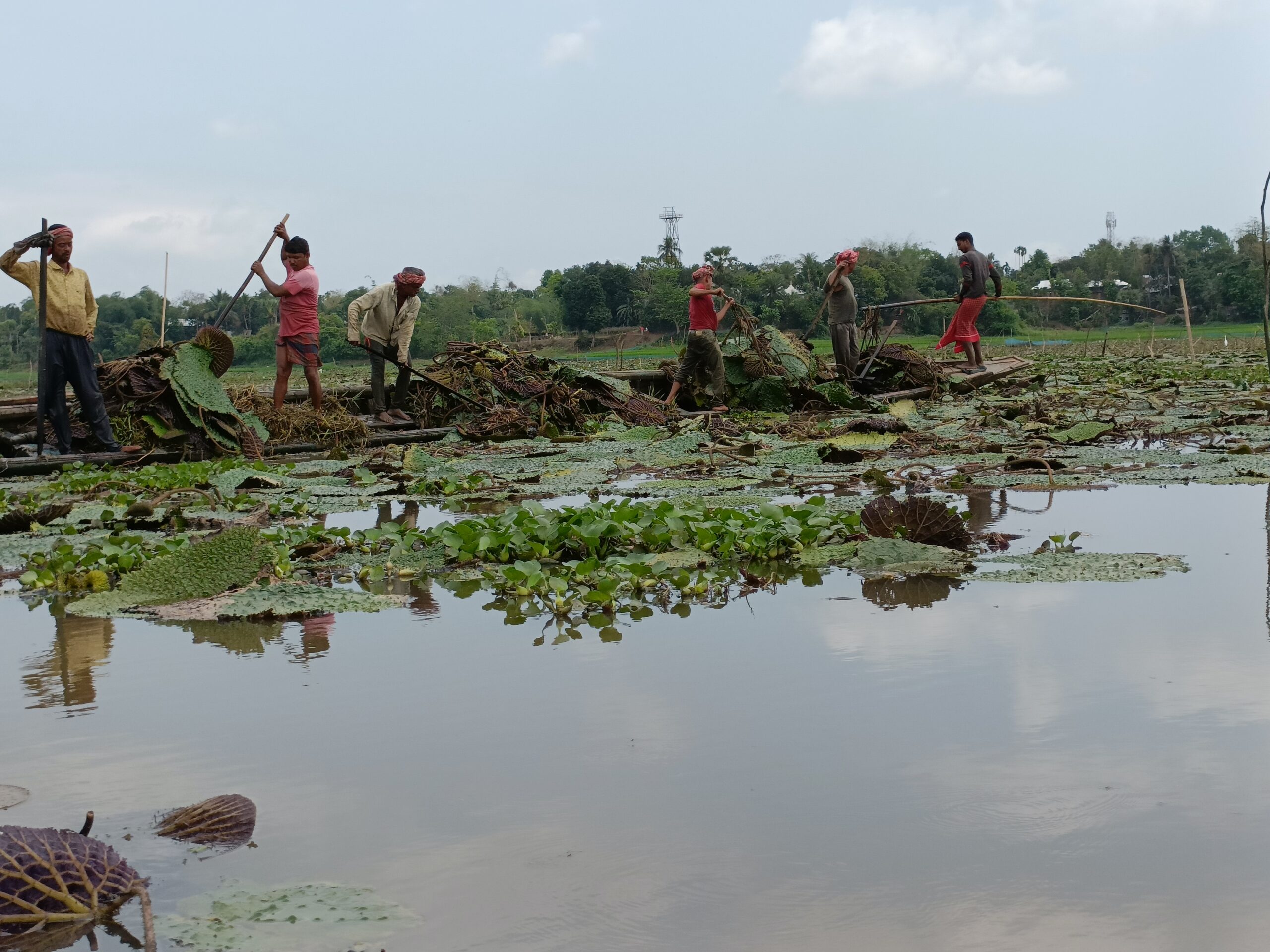
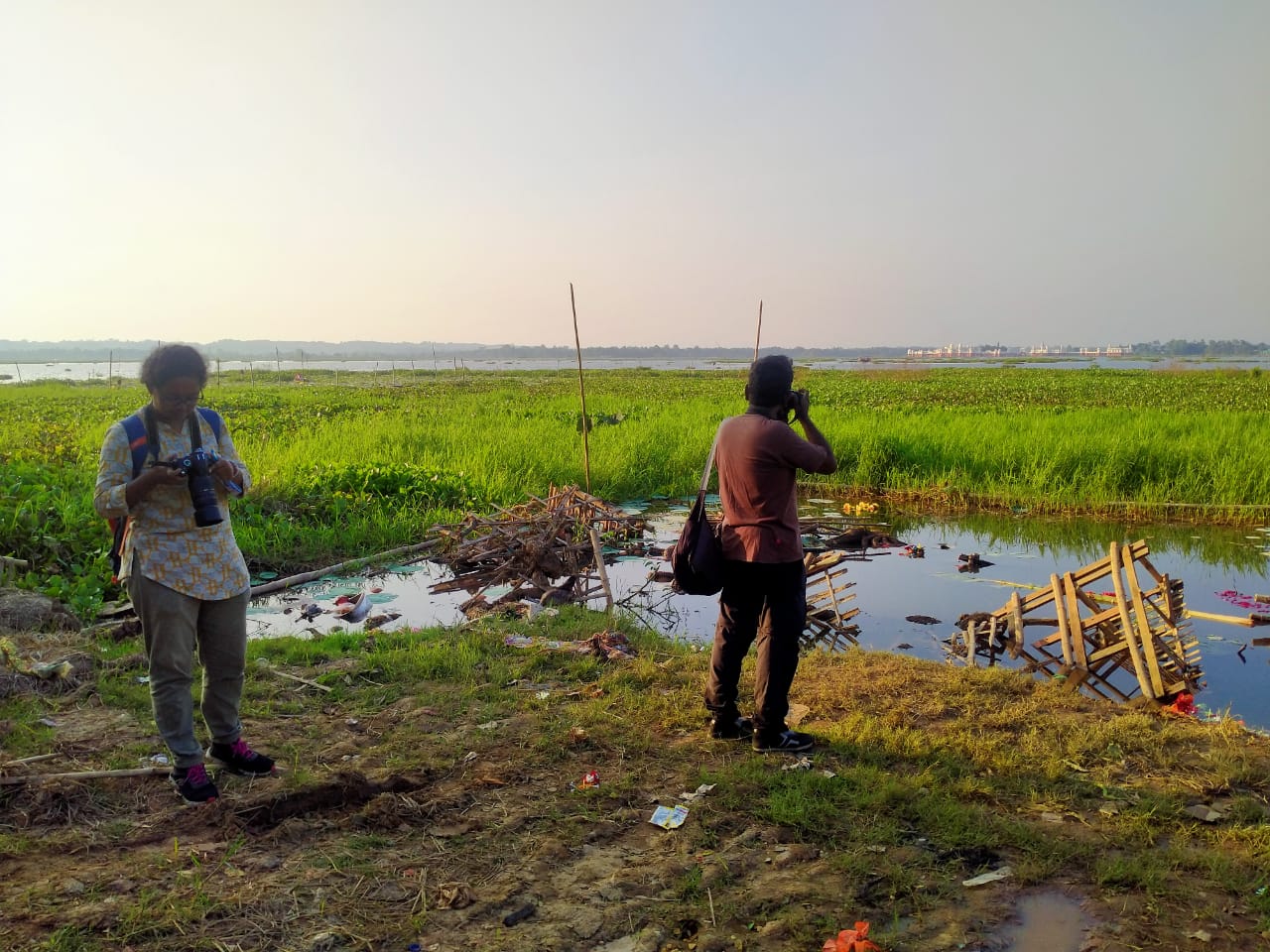
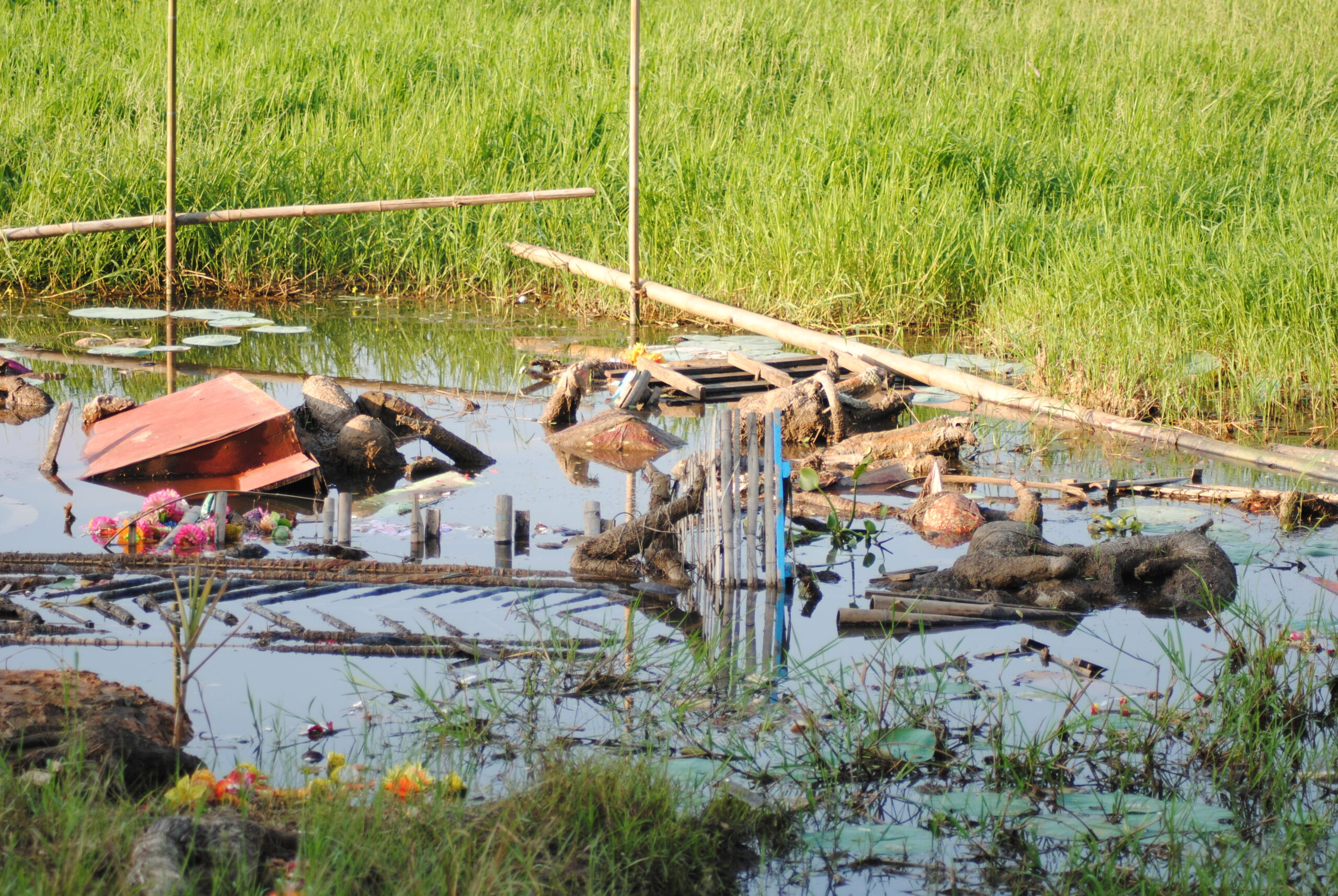
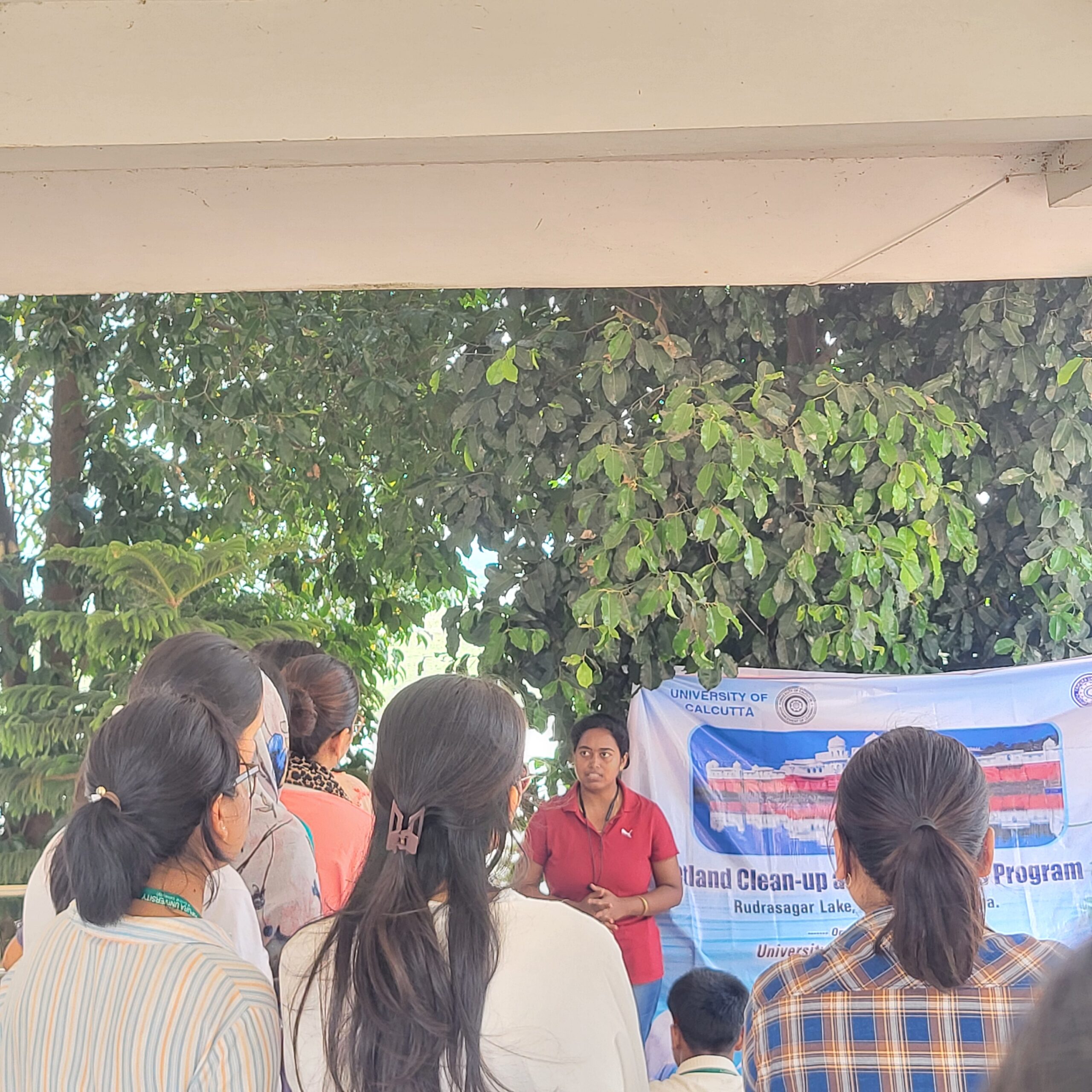
Rudrasagar Lake, formally designated as a Wetland of International Importance under the Ramsar Convention in 2005. Wetland functions as a critical natural breeding and feeding ground for a diverse assemblage of indigenous and endemic aquatic and semi-aquatic species, while providing essential habitat for both resident and migratory waterfowl. Despite having immense ecological significance, this ecosystem experiences severe environmental stress driven by expanding anthropogenic activities. Primary identified pressures were intensive agricultural practices, commercial fishing, livestock rearing and unmanaged tourism. Consequently, these activities have accelerated degradation of wetland ecosystem and its physical shrinkage.
To address these critical ecological concerns, this project undertakes a comprehensive assessment of anthropogenic impacts on Rudrasagar Lake. Specifically, the study evaluates alterations in water quality, sediment composition, and the surrounding aquatic biodiversity to formulate effective conservation and management strategies.

4. Spatio-temporal assessment of air quality and its health effect in Kolkata using geoinformatics: case study from Kolkata
Kolkata has been chosen because it is an area of serious concern. The traffic interactions in Kolkata are in critical state and in some cases, the problem has arisen to threatening levels. Though usage of advanced emissions controls technologies, vehicles are still primary pollutants in urban area such as Kolkata. In our study, PM10 levels (annually) in Garden Reach (118.21 ± 74.25 μgm−3) tend to be the highest amongst other areas and crossed the NAAQS levels for PM10. The observed values suggest that although the summer is believed to have lower pollutant levels due to power plants and industrial complexes near Garden Reach, Ultadanga they are categorized into high-risk areas. The observed concentrations of the gaseous pollutants in all the sites implied that Kolkata needs to take further steps to minimize its NOx emission around the eastern fringe of the Kolkata district which harbours the dumping site for all the waste generated by the population. The primary source of NO2 in ambient air of Kolkata is due to its dynamic urbanization and elevated traffic congestion along with emissions from different industrial blocks in and around the Kolkata city.
Extramural research grants (Completed and Ongoing):
| Sl. no | Title of Project | Funding Agency | Amount | Duration | Status |
|---|---|---|---|---|---|
| 1 | Evaluation of anti fungal properties of mangrove plants of Sundarban. | UGC, New Delhi | 2 lakhs | 2010- 12 | Completed |
| 2 | Framing Environmental Management Policy for backward areas of Sundarban using Geo-information Technology (Co-Investigator) | DSA Phase I program on Environment Management of UGC | 2.5 lakhs | 2011-16 | Completed |
| 3 | Preparation of People’s Biodiversity Register of Kolkata (Co-Investigator) | Society for Environment and Development and State Biodiversity Board | 1.25 lakhs | 2011-12 | Completed |
| 4 | Health of the stone quarry workers of Birbhum District, West Bengal (Co-investigator) | Indian Statistical Institute | 2.5 Lakhs | 2011-14 | Completed |
| 5 | Studies on migration of mangroves in Hooghly estuary and its potentiality assessment as climate change indicator | DST, Government of India | 20 lakhs | 2013-16 | Completed |
| 6 | Effect of Climate change on Mobilization of Trace Elements from Acid Sulfate Soils in Coastal Mangrove Habitats of Sundarban | UGC-DAE, Govt of India | 7.6 lakhs | 2014-17 | Completed |
| 7 | Studies on 10Be inventory in Sundarban Mangrove Ecosystem | Inter-University Accelerator Centre, New Delhi | Travel and experimental support | 2015-19 | Completed |
| 8 | Green synthesis of iron nanoparticles from manglicolous fungi of Indian Sundarban and their application in sequestration of heavy metals from contaminated water | DBT, Govt of India | 56 lakhs | 2016-18 | Completed |
| 9 | Bio-prospecting of PGPRs isolated from stress environment and their application in the sustainable agriculture | UGC UPE Phase II, University of Calcutta | 6 lakhs | 2017-19 | Completed |
| 10 | Study to understand the pollination ecology as well as the applicability of placing apiary boxes in the forested areas of the Sundarbans (Co-investigator) | WWF, India | 30lakhs | 2017-20 | Completed |
| 11 | Capacity building to enhance apiculture productivity through Melissopalynological training using Foldscope | DBT, GoI | 8 lakhs | 2018-19 | Completed |
| 12 | Spatiotemporal Assessment of air quality and its health effect using geoinformatics: A case study form Kolkata | DST, GoWB | 18.70 lakhs | 2018-20 | Completed |
| 13 | Studies on conjugation of PET/SPECT radioisotopes with environmentally benign nature resourced chemical reagents | UGC-DAE, Govt of India | 7.6 lakhs | 2019-21 | Completed |
| 14 | Environmental Impact of Anthropogenic Activities on Wetland Bio-Diversity of Rudrasagar lake, the Ramsar Site of Tripura | DBT, GoI | 65 lakhs | 2019-21 | Completed |
| 15 | Apportioning nurdles and microplastics on the way to Antarctica | NCPOR, Ministry of Earth Sciences, GoI | Travel and logistics support | 2019-20 | Completed |
| 16 | Application of 14C bomb spike to understand the history of anthropogenic contaminations in Antarctica | Interuniversity Accelerator Centre (IUAC) | Travel and logistics support | 2022-25 | Ongoing |
| 17 | Possible enhancement of microbial efficiency of microplastic degradation by employing radiation exposure | UGC-DAE, Govt of India | 7.6 lakhs | 2023-26 | Ongoing |
| 18 | Protection of a climate vulnerable Mangrove Sanctuary in Indian Sundarban | The Australian Alumni Grants Scheme (AAGS) 2023 | 6 lakhs | 2023-25 | Ongoing |
| 19 | Creation of sustainable livelihoods and employment opportunities, improving income generating capacity of local SC communities of Kumirmari Island, Indian Sundarbans, to supplement their existing income generating livelihoods | Department of Science and Technology, Govt. of India. | 1.57 Crore | 2025-27 | Ongoing |
Consultancy Projects:
| Sl. no | Title of Project | Funding Agency | Amount | Duration | Status |
|---|---|---|---|---|---|
| 1 | Ecological Studies in Durgapur and Bankura Region | SGS India Ltd. | 0.7 Lakhs | 2010-11 | Completed |
| 2 | Health Impact of house hold level air pollution | The Energy and Resource Institute (TERI) | 1.6 lakhs | 2014-15 | Completed |